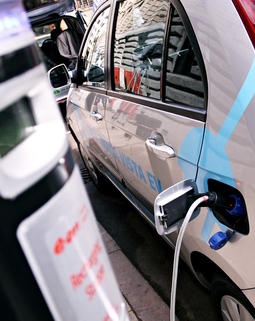



Driving in Burkina Faso presents a highly unique environmental challenge for modern vehicles. As automakers pack cars with increasingly complex microchips, sensors, and battery management systems, defending these sensitive components has never been more critical. The primary enemy in this region is Sahelian Harmonic Heat—the punishing, cyclical temperature fluctuations that strictly define the local climate. By understanding how to properly shield your vehicle, you can effectively prevent catastrophic electrical failures and ensure your automotive electronics survive the extreme environment.
Understanding The Threat Of Sahelian Harmonic Heat
In West Africa, the climate does not just get incredibly hot; it oscillates dramatically between blistering daytime highs and rapid, drastic nighttime cooling. This repetitive, rhythmic thermal stress is often referred to as Sahelian Harmonic Heat. For delicate automotive electronics, this continuous, aggressive expansion and contraction is absolutely devastating. Over time, brittle solder joints inevitably crack, printed circuit boards warp under the pressure, and sensitive microprocessors suffer from severe thermal throttling.
When you combine the relentless external Sahelian Harmonic Heat with the intense internal heat generated by the vehicle's own electrical resistance, the risk of total system failure skyrockets. Components that would typically last a decade in milder climates can easily fail within a few short years if they are not adequately protected.
Evaluating The Impact On Microchips
Modern vehicles operate exactly like rolling computers. Everything from the engine control unit (ECU) and the anti-lock braking system to the central infotainment display relies heavily on delicate semiconductors. When these crucial components are repeatedly exposed to Sahelian Harmonic Heat, their internal electrical resistance drastically increases. This added resistance forces the electrical systems to work much harder to push the same amount of current, generating even more internal heat and creating a highly dangerous, self-destructive thermal feedback loop.
Strategic Defense Against Extreme Temperatures
To successfully combat this harsh environmental phenomenon, drivers and local mechanics must actively adopt proactive, preventative maintenance strategies. First, you must always park in deeply shaded areas or rigorously utilize reflective, UV-blocking car covers whenever possible. While this sounds like a basic tip, significantly reducing the direct solar radiation hitting the dashboard is your absolute first line of defense.
Furthermore, you must regularly inspect the vehicle's active and passive cooling systems. Ensuring that all cooling fans are completely free of desert dust, verifying that heat sinks are securely attached, and replacing degraded thermal pastes are absolutely essential steps for maintaining long-term electronic reliability.
Upgrading Thermal Management Systems
For off-road enthusiasts and commercial heavy-duty fleet operators navigating the rugged terrain of Burkina Faso, relying solely on factory-standard cooling mechanisms is often insufficient. Upgrading your systems by installing highly efficient, aftermarket heavy-duty heat sinks, applying specialized aerospace-grade thermal pads, and integrating active ventilation systems directly around the ECU can effectively mitigate the damaging effects of Sahelian Harmonic Heat.
For those looking to stay continuously updated on the latest vehicle maintenance strategies, shifting regional automotive technologies, and expert driving tips for surviving the harsh African climate, exploring the daily updates at AfriCarNews is an excellent habit.
Ultimately, by taking these extreme environmental factors seriously and investing in proper thermal defenses, your vehicle's sensitive electronics will confidently outlast the harsh desert conditions.
Have you ever experienced severe electrical glitches in your car during an intense regional heatwave? How do you keep your vehicle's sensitive electronics perfectly cool during the hottest months of the year? Share your best tips, questions, and daily driving experiences in the comments below!