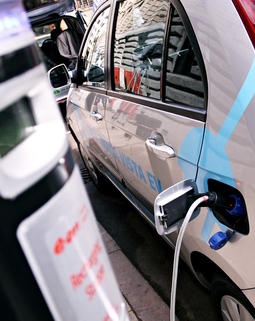


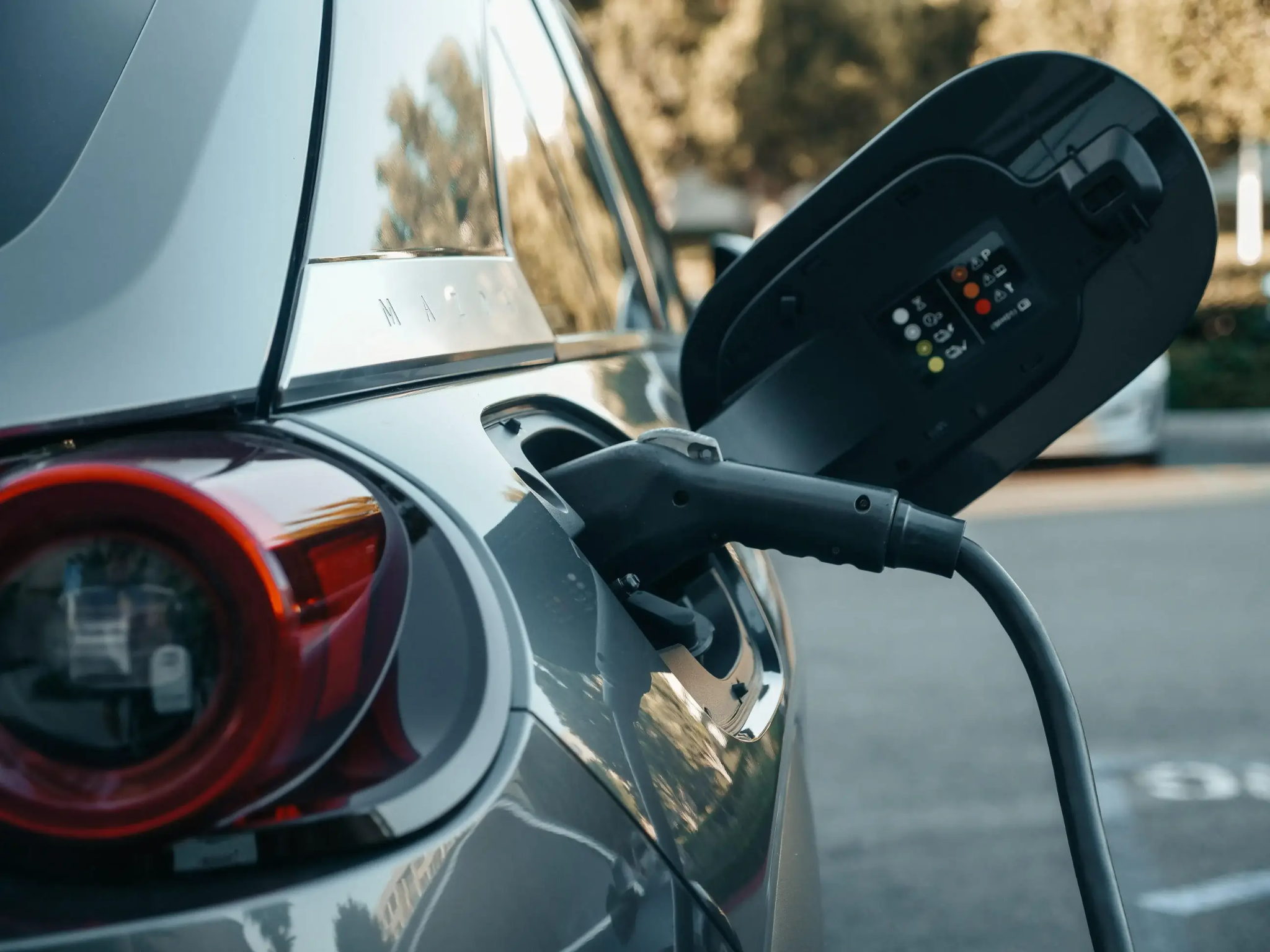
Burkina Faso is embracing a cleaner transportation future, and its updated regulations for importing EVs to Burkina Faso in 2025 are a clear sign of this shift. These rules are designed to streamline the process while ensuring that imported vehicles meet specific safety and technical standards. For anyone considering bringing an electric car into the country, understanding these new guidelines is essential for a smooth and efficient experience. The government’s move towards promoting electric vehicles aligns with a broader goal of reducing reliance on fossil fuels and fostering sustainable mobility.
The process for importing EVs to Burkina Faso involves a series of steps, starting with the necessary documentation. Key documents include the original state title, a bill of sale showing a zero balance, and detailed vehicle specifications. One of the most critical requirements is the Electronic Cargo Tracking Note (ECTN), which is mandatory for all cargo shipments. This document, also known as the Bordereau de Suivi Cargaison (BSC), ensures that shipments are properly tracked from their origin.
Costs and Customs Procedures
Understanding the financial aspects of importing EVs to Burkina Faso is crucial. The costs are determined by a combination of taxes, duties, and various fees. As a member of the West African Economic and Monetary Union (WAEMU), Burkina Faso applies a Common External Tariff (CET) system. This means that import duties generally include a 10% import duty and a 12.5% VAT. Additionally, older vehicles (over 10 years) are subject to higher taxes, reflecting a policy that favors newer, more efficient cars.
Navigating the Shipping Process
Most electric vehicles are not shipped directly to Burkina Faso by sea. Instead, they are typically routed through the Port of Tema in Ghana. From there, the vehicles are transported overland to key destinations within Burkina Faso, with the Port of Ouagadougou serving as the primary hub for vehicle imports. Working with an experienced shipping company and a local customs broker is highly recommended. These professionals are well-versed in the logistical complexities and can help you navigate customs clearance, ensuring all necessary fees and procedures are handled correctly.
The pre-shipment inspection is another vital step for vehicles valued above a certain threshold, ensuring that they meet strict safety and technical standards. These checks cover everything from battery system integrity to the vehicle's VIN and propulsion system identification.
As the country pushes towards cleaner energy, it's worth noting the introduction of the first locally manufactured electric car, the ITAOUA, built in Ouaga 2000. This development, along with potential future tax incentives, underscores the nation’s commitment to growing its EV market. For more information on how such initiatives are shaping the automotive landscape across the continent, platforms like the ones found at AfriCarGroup offer valuable insights.
The journey of importing EVs to Burkina Faso can be smooth with the right preparation and expert guidance. By being aware of the required documents, associated costs, and shipping routes, you can successfully bring your electric vehicle into the country. The push for sustainable transport is gaining momentum, making this an exciting time to join the electric vehicle revolution in Burkina Faso.
What are your biggest questions about importing EVs to Burkina Faso? Drop your thoughts and inquiries in the comments below!